Online Fitness Coaching Packages for UK Clients: Equipment, Pricing & Leads (UK)
Startup Cost: £50–£300 | Difficulty: Beginner | Time to Start: 7 Days | Business Type: Online
Trainers in places like Leeds and Glasgow often run online coaching alongside regular gym shifts. The real barrier is a basic site and the first ten clients willing to pay monthly.
Real UK Business Example
TRAINFITNESS Personal-training course provider with graduate placement into UK gyms and studios. Fitness micro-businesses productise packages and corporate wellness.
What is Online Fitness Coaching?
It is a service that sells workout plans, check-ins and video calls through a simple website. Clients pay a monthly fee and receive programmes tailored to their goals without needing a physical studio.
Video Breakdown
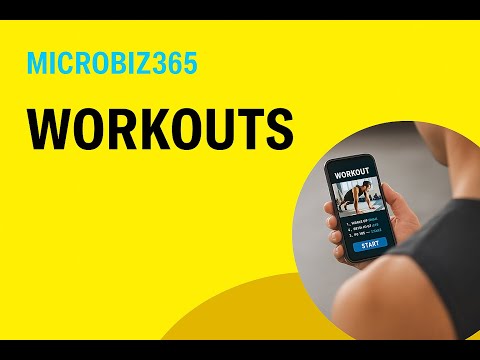
The video walks through building the site, setting prices and finding early customers. Watch the full video on YouTube for the full walkthrough.
Key Takeaways
- Pick one clear niche such as postnatal recovery or desk-worker mobility.
- Charge £25–£40 per month for the basic plan at the start.
- Record short phone videos rather than polished productions.
- Use free reprint nutrition articles to add depth without extra cost.
- Offer a two-week trial to convert viewers into paying clients.
- Keep the site simple and update content every week.
Startup Costs in the UK
Most people stay under the £300 ceiling by buying only what is essential.
| Item | Approx. Cost (UK) | Notes |
|---|---|---|
| Domain and basic hosting | £10–£30 | One-year package from a UK provider |
| DBS check | £18–£55 | Enhanced disclosure if working with vulnerable groups |
| Resistance bands and mat | £25–£60 | For demo videos and client samples |
| Public liability insurance | £80–£120 | Annual policy from a specialist broker |
| Canva Pro trial | £0–£10 | First month often free |
In practice, you can get to your first paying client for a total setup spend of roughly £100–£250.
Tools & Equipment Needed
- Smartphone with decent camera for filming sessions.
- Free or low-cost site builder such as WordPress or Carrd.
- Simple booking calendar like Calendly free tier.
- Resistance kit for on-screen demonstrations.
How to Start
- Register as self-employed with HMRC online before taking any money.
- Buy basic insurance and complete the DBS check if required.
- Build a one-page site listing three clear packages and a contact form.
- Record five short demo videos and upload them to YouTube unlisted.
- Post in local Facebook groups and Nextdoor for your postcode area.
- Message ten people who already follow fitness accounts in your town.
- Collect the first payments through bank transfer or Stripe.
Earnings & Scaling
Ten clients at £30 per month brings in £300. Twenty clients reaches £600. Growth usually comes from referrals and adding small group Zoom sessions rather than lowering prices.
Pros, Cons and Risks
Pros:
- Work from home with flexible hours.
- Low ongoing costs once the site exists.
- Can run alongside a part-time gym job.
Cons:
- Clients expect quick replies seven days a week.
- Competition from free YouTube content is high.
- Income can be lumpy in the first six months.
Risks:
- Injury claims without proper insurance.
- Platform changes that reduce organic reach overnight.
- Burnout from juggling filming, programming and admin alone.
UK-Specific Tips
- Keep records for HMRC self-assessment from day one.
- Use local park sessions for in-person upsells in summer.
- State clearly that you are not a substitute for medical advice.
- Check TRAINFITNESS graduate routes if you later want formal qualifications.
FAQ
Do I need a qualification?
A Level 2 or 3 fitness instructor certificate helps with credibility but many start with solid results and add the paper later.
Can I run this without a studio?
Yes. All sessions happen online via video calls and pre-recorded programmes sent through the site.
How do I handle payments?
Start with bank transfer. Add Stripe once you have five or six clients so renewals happen automatically.
What happens if a client gets injured?
Public liability insurance covers claims. Always include a disclaimer that you are not a medical professional.
Conclusion
Online fitness coaching stays simple when the site stays small and the niche stays narrow. browse more ideas on MicroBiz365.