Build a Worm Bait Business Selling to Local Tackle Shops: Kit, Rates & Sales Tips (UK)
Startup Cost: £50–£300 | Difficulty: Beginner | Time to Start: 7 Days | Business Type: Local
One weekend I picked up a kilo of dendrobaenas from a supplier in the Midlands and stacked two plastic crates in the shed. Within a month the first small tubs were heading to a car boot in NG7.
Real UK Business Example
Enterprise Tackle Nottingham bait manufacturer supplying coarse and match anglers through UK tackle shops. Home bait makers sell vacuum-packed boilies at car boot sales.
What is Low-cost Fishing Bait Business From Home UK | Easy Side Hustle 2026 Business?
A worm bait business means breeding dendrobaenas at home and selling them live or vacuum-packed to local anglers, clubs and tackle shops.
Video Breakdown
The video walks through building a simple stacking farm, feeding routines and harvesting. Watch the full video on YouTube for the full walkthrough.
Key Takeaways
- Start with 1 kg breeding stock for £20–£25
- Two plastic crates with air holes work as the farm
- Harvest every 4–6 weeks once the colony settles
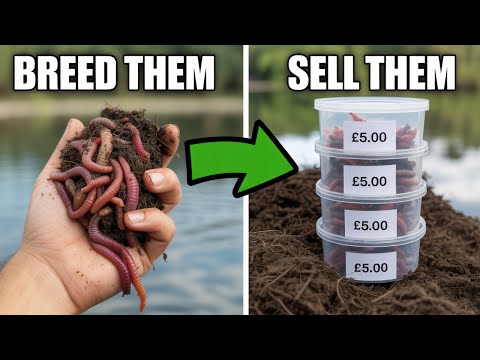
- Pack in 500 g tubs for £5–£8 at car boots
- Sell excess to tackle shops on 30-day terms
- Keep simple records for HMRC from day one
Startup Costs in the UK
Most people get going for under £300 using items already in the garage.
| Item | Approx. Cost (UK) | Notes |
|---|---|---|
| Breeding stock (1 kg dendrobaenas) | £20–£25 | Bulk order from specialist supplier |
| Two plastic crates or totes | £10 | Drill air holes yourself |
| Coconut fibre bedding | £8 | One 10-litre bag lasts months |
| Worm feed pellets | £6 | 25 kg sack shared with neighbours |
| Small tubs and labels | £12 | Pack of 100 from packaging supplier |
| Basic digital scales | £15 | Second-hand from eBay |
In practice, you can get to your first paying client for a total setup spend of roughly £100–£250.
Tools & Equipment Needed
- Stacking crates or plastic totes with drilled holes
- Coconut fibre or peat-free bedding
- Commercial worm feed or vegetable scraps
- Small retail tubs and printed labels
- Digital kitchen scales
How to Start
- Order 1 kg mixed dendrobaenas from a UK supplier and settle them in damp bedding for 48 hours.
- Site the farm in a shed or garage between 10 °C and 20 °C; avoid direct sun.
- Feed weekly with pellets or vegetable waste and keep bedding moist but not wet.
- Harvest after four weeks by hand-sorting; return breeding stock immediately.
- Portion into 500 g tubs, label with date and weight, then store in a fridge for up to ten days.
- Take stock to the next local car boot or contact three nearby tackle shops with samples.
- Register with HMRC as self-employed within the first month and keep mileage and receipt records.
Earnings & Scaling
One kilo of finished bait typically sells for £12–£18 at retail. After feed and packaging, margin sits around £8–£12 per kilo. A settled farm can produce 2–3 kg every six weeks. First-year turnover for most home operators lands between £800 and £2,500 depending on how many outlets they reach.
Pros, Cons and Risks
Pros:
- Very low cash outlay
- Steady local demand all year
- Can run in a small space
Cons:
- Smell if bedding is neglected
- Weekend selling required for volume
- Seasonal dip in winter
Risks:
- Colony collapse from overfeeding or wrong temperature
- Trading standards checks on live bait labelling
- Competition from cheap imported worms
UK-Specific Tips
- Check with your local council if you need a temporary event licence for car boots.
- Enterprise Tackle prices give a useful benchmark when quoting tackle shops.
- Use Facebook groups for angling clubs in your postcode first before wider advertising.
- Keep a simple spreadsheet of purchases and sales for your Self Assessment.
FAQ
Do I need a licence to sell worms?
No specific licence for selling live worms, but you must follow food hygiene rules if you vacuum-pack and label correctly.
How long before I see the first sale?
Most people sell their first tubs within three to four weeks once the colony is established.
Can I sell online?
Yes, but live bait needs next-day delivery and insulated packaging, which eats margin quickly.
What happens in winter?
Production slows below 8 °C; many operators stockpile in autumn or shift to tackle-shop wholesale only.
Conclusion
A shed-based worm farm stays small, cheap and local. browse more ideas on MicroBiz365.