Tap Into the £1.5 Billion UK Knitting Market Business: Real Costs & First Paid Jobs (UK)
Startup Cost: £50–£300 | Difficulty: Beginner | Time to Start: 7 Days | Business Type: Local
Are you looking for a low-cost business idea that taps into a passionate global community? With millions of people knitting every day, there's a steady demand for wool and yarn, and a business that serves this community can be extremely profitable. In this article, we'll explore a business idea that can help you capitalise on this demand.
Startup Costs
In practice, you can get to your first paying client for a total setup spend of roughly £100–£250 , well under the £300 mark, then upgrade tools and protection as the business grows.Real UK Business Example
West Yorkshire Spinners Mill producing yarn and knit kits exported globally from UK base. Indie dyers sell hand-painted skeins on Shopify.
What is Tap Into the £1.5 Billion UK Knitting Market Business?
Are you passionate about knitting and looking for a new business idea? The UK market for wool and yarn is a £1.5 billion industry, and with the right approach, you can tap into it and start a successful side hustle.Video Breakdown
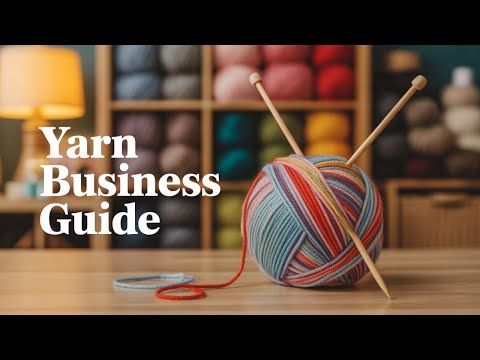
This article is based on a YouTube video that covers the key steps to starting a wool and yarn business. The video provides a comprehensive walkthrough of the process, from initial stock purchase to marketing and sales. Watch the full video on YouTube for the full walkthrough.Key Takeaways
- Initial stock purchase can cost between £500-£1,000
- You'll need a computer, internet connection, and eBay account to start selling online
- Marketing materials, such as business cards and flyers, can cost between £100-£300
- Pricing for yarn and wool can vary depending on the type, quality, and quantity
Startup Costs in the UK
MicroBiz365 keeps costs under £300; free tools and our PDF where possible.| Item | Approx. Cost (UK) | Notes |
|---|---|---|
| Website & hosting | £0 | Free tools and our PDF |
| Branding basics | £0–£40 | Basic logo and business card design |
| Initial stock | £500–£1,000 | Dependent on quantity and quality |
| Tools/equipment | £0–£100 | Basic computer and internet costs |
| Contract/template | £0–£50 | Basic contract and invoice template |
Tools & Equipment Needed
- Basic computer and internet connection
- eBay account or website
- Marketing materials (business cards, flyers, etc.)
- Initial stock of wool and yarn
How to Start a Wool and Yarn Business
- Research the market: Understand the demand for wool and yarn in your local area, and identify potential customers (knitting clubs, groups, and individual knitters).
- Source stock: Find reliable suppliers of wool and yarn, and purchase initial stock in bulk.
- Create an online presence: Set up an eBay account or website to sell your products, and use search engine optimisation (SEO) techniques to attract customers.
- Develop a marketing strategy: Use social media, email marketing, and local advertising to promote your business and attract customers.
- Build relationships with customers: Offer excellent customer service, and build relationships with regular customers to encourage repeat business.
Earnings & Scaling
Estimated earnings for a wool and yarn business can vary depending on the size of your customer base, the prices you charge, and the volume of sales. Online sales can generate £500-£1,000 per month, physical store sales can generate £1,000-£2,000 per month, and wholesale sales can generate £2,000-£5,000 per month.Pros, Cons and Risks
Pros:
- Low startup costs
- Potential for high earnings
- Flexibility to work from home
Cons:
- Initial stock purchase can be expensive
- Marketing and advertising costs can add up
- Risk of competition from established businesses
Risks:
- Market fluctuations can affect demand
- Quality of products can impact customer satisfaction
- Competition from online retailers
UK-Specific Tips
- Register your business with HMRC and obtain necessary licenses
- Use platforms like Etsy and eBay to reach a wider audience
- Utilise social media to promote your business and engage with customers
- Consider partnering with local yarn stores or knitting groups
FAQ
What are the estimated prices for common types of yarn?
The estimated prices for common types of yarn are: Acrylic yarn (£3-£5 per 100g skein), Wool yarn (£5-£10 per 100g skein), and Cashmere yarn (£10-£20 per 100g skein).What are the estimated earnings for a wool and yarn business?
The estimated earnings for a wool and yarn business can vary depending on the size of your customer base, the prices you charge, and the volume of sales. Online sales can generate £500-£1,000 per month, physical store sales can generate £1,000-£2,000 per month, and wholesale sales can generate £2,000-£5,000 per month.How can I provide excellent customer service and build relationships with my customers?
Offering excellent customer service and building relationships with your customers is crucial for long-term success. This can be achieved by responding promptly to customer inquiries, offering personalized recommendations, and providing regular updates on new products and promotions.Conclusion
Starting a wool and yarn business can be a lucrative side hustle, but it requires careful planning, research, and execution. By following the steps outlined in this article, you can create a successful business that taps into the growing demand for wool and yarn in the UK. For more ideas on starting a successful side hustle, browse more ideas on our website.