Pet Taxi Business: Real Costs & First Paid Jobs (UK)
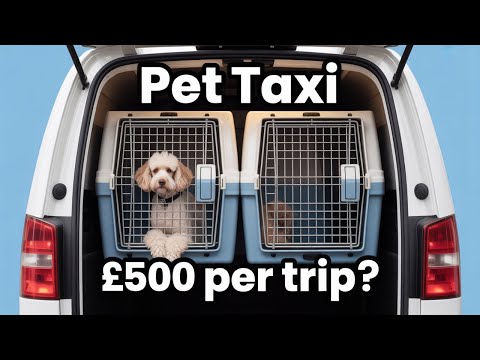
Startup Cost: £50–£300 | Difficulty: Beginner | Time to Start: 7 Days | Business Type: Local
Starting a pet taxi business can be a lucrative opportunity for animal lovers in the UK. Imagine being in a situation where you need to transport your pet to an emergency vet visit, but public transportation options are limited, and Uber drivers are unwilling to help.
Real UK Business Example
Pet Taxi London Licensed pet transport across Greater London for vet and grooming trips. Franchise-style playbooks exist for other UK cities.
What is Pet Taxi Business?
A pet taxi business provides a service for pet owners who need to transport their pets to vet appointments, grooming sessions, or other destinations. This can be a valuable service, especially for pet owners who have mobility issues or live in areas with limited public transportation options.Video Breakdown
The video covers the essential steps to start a pet taxi business, including obtaining the necessary licenses, setting up your vehicle, and marketing your services. The video also provides guidance on pricing and earnings potential. Watch the full video on YouTube for the full walkthrough.Key Takeaways
- Obtain a DFR Type 1 Transporter Authorization, which is free to apply for and requires a short theory test.
- Set up your vehicle with a fitted cage system, temperature monitoring equipment, and disinfectant and cleaning supplies.
- Purchase hire and reward insurance, as well as care, custody, and control liability insurance, to cover the risks involved in transporting animals.
- Develop a pricing strategy, including a call-out fee plus mileage for local runs and a flat project fee for long-distance work.
Startup Costs in the UK
MicroBiz365 keeps costs under £300; free tools and our PDF where possible. Here's a breakdown of the estimated costs involved in setting up a pet taxi business in the UK:| Item | Approx. Cost (UK) | Notes |
|---|---|---|
| Vehicle purchase or rental | £5,000 - £10,000 | Dependent on the type and condition of the vehicle |
| Van or estate car conversion to include a fitted cage system | £1,000 - £3,000 | Dependent on the complexity of the conversion |
| Insurance premiums | £500 - £1,000 per month | Dependent on the level of cover and the number of clients |
| Branding basics (e.g. logo, business cards) | £0 - £40 | Dependent on the level of branding required |
| Tools and equipment (e.g. temperature monitoring equipment, disinfectant and cleaning supplies) | £0 - £500 | Dependent on the level of equipment required |
Tools & Equipment Needed
- Fitted cage system for safe and hygienic animal transport
- Temperature monitoring equipment to ensure the comfort of the animals
- Disinfectant and cleaning supplies to maintain a clean and safe environment
- Hire and reward insurance to cover the risks involved in transporting animals
- Care, custody, and control liability insurance to cover the risks involved in transporting animals
How to Start
- Apply for a DFR Type 1 Transporter Authorization, which is free to apply for and requires a short theory test for a certificate of competence.
- Convert your van or estate car to include a fitted cage system, which is essential for safe and hygienic animal transport.
- Purchase hire and reward insurance, as well as care, custody, and control liability insurance, to cover the risks involved in transporting animals.
- Visit local vet practices, introduce yourself to the receptionists or those dealing with owners who can't get their pets to appointments, and establish a referral network.
- Develop a pricing strategy, including a call-out fee plus mileage for local runs and a flat project fee for long-distance work.
Earnings & Scaling
Your earnings potential can be £500 to £1,000 per week or more, depending on the number of clients and jobs. With the right setup and marketing, you can grow your business and increase your earnings.Pros, Cons and Risks
Pros:
- Opportunity to work with animals and make a difference in their lives
- Potential for high earnings
- Flexibility to set your own schedule
Cons:
- Requires a significant investment in equipment and insurance
- Can be physically demanding
- Requires a high level of responsibility and attention to detail
Risks:
- Risk of injury to yourself or the animals
- Risk of damage to the vehicle or equipment
- Risk of non-payment by clients
UK-Specific Tips
- Check with the UK government's website for the latest information on licensing and regulations for pet taxi businesses.
- Research local laws and regulations regarding animal transport and welfare.
- Consider joining local pet-related business associations or networking groups to connect with potential clients and partners.
- Take advantage of free or low-cost marketing tools and resources, such as social media and online directories, to promote your business.
Real-World Proof
- Rover: market cap ~$2.0B (2026) (source).
- pet_sitting_market: market size $2.41B-$2.69B (2024) (source).
These figures are directional benchmarks, not guarantees. They show what is possible in this niche when execution and demand align.
FAQ
Q: What licenses do I need to start a pet taxi business?
A: You need to obtain a DFR Type 1 Transporter Authorization, which is free to apply for and requires a short theory test for a certificate of competence.Q: What kind of vehicle do I need to start a pet taxi business?
A: You need a van or estate car with a fitted cage system, temperature monitoring equipment, and disinfectant and cleaning supplies.Q: How much can I earn from a pet taxi business?
A: Your earnings potential can be £500 to £1,000 per week or more, depending on the number of clients and jobs.Conclusion
Starting a pet taxi business can be a rewarding and lucrative opportunity for animal lovers in the UK. With the right setup and marketing, you can grow your business and increase your earnings. For more ideas on starting a business in the pet industry, browse more ideas on MicroBiz365.