Pat Testing Business: Equipment, Pricing & Leads (UK)
Startup Cost: £50–£300 | Difficulty: Beginner | Time to Start: 7 Days | Business Type: Local
One afternoon last spring a mate tested twenty kettles and extension leads in a shared house in Leeds LS6. He pocketed £90 before tea and booked the same landlord for the next quarter.
Real UK Business Example
PAT Testing Expert Portable appliance testing and fire-safety checks for landlords and offices UK-wide. Compliance-driven repeat work suits B2B micro-businesses.
What is a PAT Testing Business?
Portable appliance testing checks that electrical items meet safety standards. Landlords, offices and events need the service every year or after any repair. The work is straightforward once you hold the right certificate and a calibrated tester.
Video Breakdown
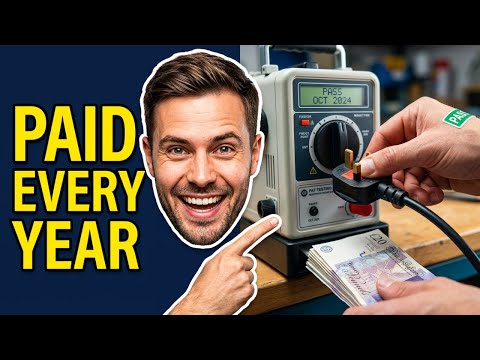
The video walks through the tester models, pricing per item and how to approach housing associations. Watch the full video on YouTube for the full walkthrough.
Key Takeaways
- One-day course costs £150–£200 in most cities.
- Second-hand Seaward or similar tester starts at £150 if calibration is current.
- Pass labels and basic tools add another £30–£50.
- Typical charge is £1–£1.50 per item or £70–£90 per hour on site.
- Landlords and HMOs give the steadiest repeat work.
- Insurance and calibration must stay current or you lose clients.
Startup Costs in the UK
Most people reach their first paid job for £100–£250 total.
| Item | Approx. Cost (UK) | Notes |
|---|---|---|
| 1-day PAT course | £150 | Local college or City & Guilds provider |
| Used tester | £150 | Check calibration date before buying |
| Pass labels (roll of 500) | £12 | Enough for first 20–30 jobs |
| Public liability insurance | £80 | Annual policy from a broker |
| Screwdriver set & labels bag | £25 | Basic kit from any trade supplier |
Total outlay lands between £100 and £250 before any paid work arrives.
Tools & Equipment Needed
- Calibrated PAT tester with valid certificate
- Pass and fail labels
- Small toolkit and extension lead
- Simple spreadsheet or job app for records
- Public liability insurance certificate
How to Start
- Book a one-day course within 30 miles of your postcode so travel stays cheap.
- Buy a used tester only after confirming the calibration sticker date.
- Register as self-employed with HMRC online – takes ten minutes.
- Arrange £1m public liability cover before quoting any jobs.
- Print simple A5 cards and drop them at letting agents in your area.
- Contact local HMOs and small offices by phone, not email, for the first three bookings.
- Keep every test record for at least three years as required by the Electricity at Work Regulations.
Earnings & Scaling
One tester working three days a week can clear £800–£1,200 a month once regular clients are in place. Growth comes from adding fire-safety checks or taking on another tester part-time rather than chasing volume alone. Firms like PAT Testing Expert show how B2B compliance work builds steady routes.
Pros, Cons and Risks
Pros:
- Low kit cost and steady B2B repeat work
- Jobs can be booked weeks ahead
- Work stays local with little marketing spend
Cons:
- Need to chase calibration and insurance every year
- Seasonal dips in summer when offices close
- Clients often pay on 30-day terms
Risks:
- Testing without current calibration can lead to fines or lost insurance cover
- One missed appointment damages reputation fast in a small town
UK-Specific Tips
- Check the HSE guidance on the Electricity at Work Regulations before quoting larger sites.
- Many landlords now ask for proof of £1m insurance before you enter the property.
- Local Facebook groups for HMOs often produce more work than paid ads in the first six months.
- Keep digital records; some housing associations want CSV exports at year end.
FAQ
Do I need to be registered with any official body?
No official register exists, but you must follow the Electricity at Work Regulations 1989 and hold valid insurance.
How much should I charge per item?
Most micro operators charge £1–£1.50 per appliance or a flat £70–£90 per hour on site, whichever feels fair for the postcode.
Where do new testers find their first clients?
Start with letting agents and HMO landlords in your immediate area; they need annual tests and pay on repeat.
How often does the tester need calibrating?
Once a year is standard. Factor the cost into your annual budget from the first job.
Can I test my own equipment for clients?
No. You must use a calibrated unit and keep the certificate ready to show on site.
Conclusion
PAT testing suits anyone happy with routine checks and paperwork. Keep records tight and clients return. browse more ideas on MicroBiz365.