Mobile Manicure Business: Start for Under £300 — Side Business Guide for the UK
Startup Cost: £80–£250 | Difficulty: Beginner | Time to Start: 7–14 Days | Business Type: Mobile Local
Sam in Bristol started with a £120 kit and a borrowed table. Within three months she was doing eight appointments a week in BS1 and BS6 postcodes, mostly office workers who book the same slot every fortnight.
Real UK Business Example
Nails Inc British nail brand with salons and pop-ups across UK cities. Mobile manicurists mirror its polish upsells with gel kits.
What is Mobile Manicure Business: Start for Under £300?
A mobile manicure service visits clients at home or work. You carry your own tools, use disposable liners for hygiene, and charge per visit rather than running a fixed salon.
Video Breakdown
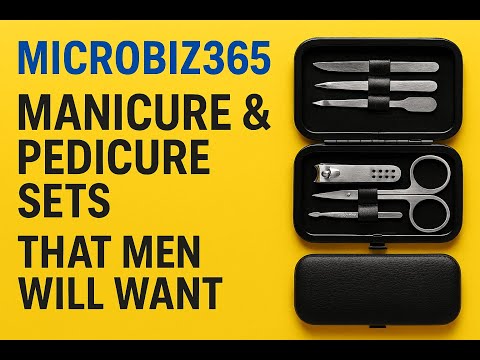
The video walks through kit choices, client booking and simple pricing. Watch the full video on YouTube for the full walkthrough.
Key Takeaways
- Start with one decent gel kit and LED lamp rather than dozens of colours.
- Charge £25–£35 per standard manicure in most UK cities.
- Book repeat clients first; one-off appointments eat travel time.
- Keep records from day one for HMRC self-assessment.
- Insurance and basic hygiene certificates cost under £50 combined.
Startup Costs in the UK
Everything below comes in under £300 if you buy used or entry-level gear.
| Item | Approx. Cost (UK) | Notes |
|---|---|---|
| LED lamp + starter gel set | £45–£70 | Look for second-hand on Facebook Marketplace |
| Portable table and case | £25–£40 | Folding massage table works fine |
| Public liability insurance | £8–£12 | Monthly policy from Simply Business |
| Hygiene certificate | £20–£30 | Online course via Highfield Qualifications |
| Basic cards and Instagram ads | £10–£30 | First month test spend |
Total outlay usually lands between £110 and £180.
Tools & Equipment Needed
- LED/UV lamp and 4–6 core gel colours
- Electric file, cuticle nippers, buffers
- Disposable liners, gloves and wipes
- Portable fold-up table and wheeled case
- Card reader (SumUp or Square)
How to Start
- Complete the Level 2 or 3 nail course if you have no formal training (many run in one weekend).
- Buy insurance and register with HMRC as self-employed before taking the first paying client.
- Set up a simple Instagram page showing before-and-after shots from friends and family.
- Print 200 business cards and drop them at local offices and gyms in your target postcode.
- Offer the first three clients a reduced rate in exchange for honest reviews.
- Block two set days a week for travel so you are not criss-crossing the city daily.
- Track every mile and supply cost in a spreadsheet from the start.
Earnings & Scaling
Most operators report £800–£1,400 net per month after costs once they reach 12–15 appointments weekly. Adding gel polish upsells and occasional pedicures lifts the average ticket. Scaling usually means hiring another therapist rather than opening a premises.
Pros, Cons and Risks
Pros:
- Low overheads and flexible hours
- Steady repeat custom once trust is built
- Easy to test in one postcode before expanding
Cons:
- Travel time between appointments eats profit
- Weather and traffic affect reliability
- Clients cancel more often than in a salon setting
Risks:
- Allergic reactions to products require clear consent forms
- Public liability claims if you damage property
- Competition from walk-in nail bars in city centres
UK-Specific Tips
- Check your local council for any street-trading rules if you work in markets or pop-ups.
- Nails Inc polish ranges sell well as upsells; their retail margins sit around 40 %.
- Use GOV.UK’s free self-assessment tool in the first tax year to avoid surprises.
- Target office districts rather than residential streets for higher daytime density.
FAQ
Do I need a full salon qualification?
A short accredited course is enough for insurance and client confidence. Many start with the VTCT Level 2.
How do I handle cancellations?
Take a 50 % deposit via card link at booking. It cuts no-shows sharply.
Can I work from home instead of mobile?
Yes, but you still need insurance and must check your lease or mortgage terms first.
What happens if a client complains about an allergy?
Keep patch-test records and product batch numbers. Most complaints are settled with a refund and goodwill gesture.
Conclusion
A mobile manicure round stays small and manageable. Start with the kit you already own or can borrow, then add clients one postcode at a time. browse more ideas on MicroBiz365.