Home Ironing Service: Local Work Under £300 — Side Business Guide for the UK
Startup Cost: £50–£250 | Difficulty: Beginner | Time to Start: 7 Days | Business Type: Local
Ironing piles up fast in busy households. A few people already turn spare evenings into steady cash by collecting shirts locally and returning them folded or on hangers.
Real UK Business Example
Ironing Maid Pick-up-and-delivery ironing service targeting busy UK households and small hotels. Narrow home chores support sustainable micro businesses.
What is Home Ironing Service: Local Work Under £300?
You collect laundry from homes or small hotels, press it at your kitchen table, then deliver it back. Most operators set a 24-48 hour turnaround and charge by the item or by weight.
Video Breakdown
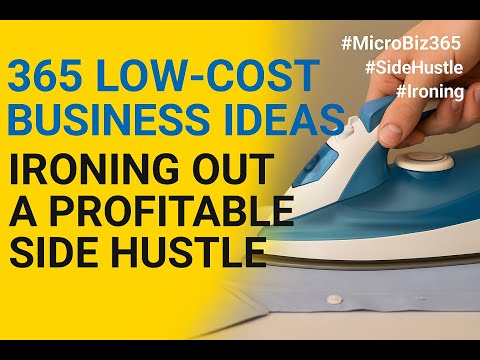
The video walks through basic kit, simple pricing and how to keep jobs organised with coloured tags. Watch the full video on YouTube for the full walkthrough.
Key Takeaways
- Start with an iron and board you already own.
- Most first spend goes on flyers and basic packaging rather than equipment.
- Offer starch or same-day service as paid extras.
- Track each client’s items with coloured tags to avoid mix-ups.
- Scale by hiring a second ironer once weekly volume passes 40 hours.
- Collect payment on delivery to keep cash flow simple.
Startup Costs in the UK
Most operators reach their first paying client for well under £300. Ironing Maid keeps marketing spend tight and re-uses packaging where possible.
| Item | Approx. Cost (UK) | Notes |
|---|---|---|
| Flyers and business cards | £40-£80 | Print locally or via Vistaprint |
| Starch, hangers, bags | £30-£60 | Buy in bulk from wholesalers |
| Basic contract template | £0-£20 | Free GOV.UK examples work fine |
| Extra iron or board | £0-£50 | Only if current kit is worn |
| Petrol or bus fares | £20-£40 | First month of collections |
Total outlay usually lands between £100 and £250 before any income arrives.
Tools & Equipment Needed
- Steam iron and sturdy board
- Clothes hangers and garment bags
- Starch and fabric spray
- Coloured tags or stickers for tracking
- Printed flyers for local drops
How to Start
- Register as self-employed with HMRC online before taking the first job.
- Print 200 flyers and drop them through doors in postcodes within a 3-mile radius.
- Set prices at £1.20–£1.80 per shirt and test against nearby competitors.
- Agree a clear collection slot and 48-hour return with each new client.
- Keep a simple notebook or spreadsheet of jobs, payments and any special requests.
- Offer a free re-iron if a customer spots a missed crease.
- Ask satisfied clients for referrals after the third visit.
Earnings & Scaling
Realistic hourly rate sits between £15 and £22 once you factor in collection time and fuel. A solo operator handling 25–30 shirts a day clears £400–£600 a week before costs. Adding one helper doubles capacity but requires tighter quality checks.
Pros, Cons and Risks
Pros:
- Work fits around school runs or another job.
- Almost zero stock to hold.
- Repeat customers reduce marketing spend.
Cons:
- Standing and pressing is tiring after several hours.
- Delays from broken equipment hit income immediately.
- Client volume can drop in summer months.
Risks:
- Damage to expensive garments can lead to disputes.
- Without a simple contract, payment chasing wastes time.
- Local competition can undercut on price if you do not track rates.
UK-Specific Tips
- Check your home insurance covers business use or add public liability cover for £8–£12 a month.
- Post in local Facebook groups rather than paid ads in the first month.
- Keep receipts for starch and fuel to claim against tax.
- Match Ironing Maid’s approach of offering hotel contracts for steadier weekday work.
FAQ
How much should I charge per shirt?
Most UK operators start at £1.20–£1.80 depending on postcode and turnaround speed.
Do I need a van for collections?
A hatchback or even a bicycle with panniers works in dense towns. Ironing Maid uses a small van only after year one.
What happens if a garment is damaged?
Have a short written policy that offers a re-iron or partial refund. Most clients accept this if handled quickly.
Can I run this alongside a full-time job?
Yes. Evening collections and weekend pressing fit around most nine-to-five roles.
Conclusion
Simple kit and local flyers still bring in work for operators who deliver on time. Browse more ideas on MicroBiz365.