UK Crystal Shop Business: Pricing, Kit & Getting Clients
Startup Cost: £50–£300 | Difficulty: Beginner | Time to Start: 7 Days | Business Type: Local
One Saturday morning in Manchester a woman set a small folding table outside a community hall with a dozen crystals and a handwritten sign. By lunchtime she had taken forty pounds and three phone numbers for follow-up orders.
What is Crystal Shop Business?
It is the sale of crystals, tarot cards, incense and related items to people who want them for decoration, collection or personal practice. No religious element is required.
Video Breakdown
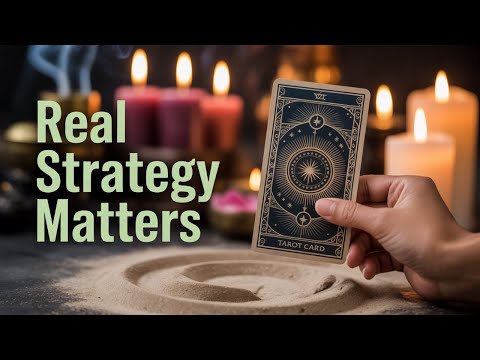
The video walks through stock selection, pricing and simple customer outreach on a tight budget. Watch the full video on YouTube for the full walkthrough.
Key Takeaways
- Start with ten to fifteen core crystal types rather than dozens
- Price each piece at two to three times wholesale cost
- Bundle small stones with a card for higher average sales
- Use local Facebook groups and car-boot tables first
- Keep records from day one for HMRC
- Repeat customers come from honest descriptions, not claims
Startup Costs in the UK
Most people begin with under three hundred pounds by buying small wholesale lots and using free online tools. Crystal Healing UK began the same way before adding wholesale accounts.
| Item | Approx. Cost (UK) | Notes |
|---|---|---|
| Initial crystals and cards | £40-£90 | Small wholesale lots from UK importers |
| Display cloth and signage | £15-£30 | Market-stall basics |
| Simple website or Etsy shop | £0-£50 | Free templates or low monthly fee |
| Business cards and flyers | £20-£40 | Local printer run of 250 |
| Payment app setup | £0 | Square or PayPal reader |
In practice, you can get to your first paying client for a total setup spend of roughly £100–£250.
Tools & Equipment Needed
- Digital scales accurate to 0.1 g
- Clear pricing labels
- Phone for photos and messages
- Carrier bags and tissue
- Basic spreadsheet for stock and sales
How to Start
- Visit three UK crystal wholesalers and note minimum orders
- Register as self-employed with HMRC online
- Choose ten stones that sell well locally and buy small quantities
- Set up a free Etsy or Facebook shop page with clear photos
- Book a table at one car boot or community market within seven days
- Collect customer numbers for simple follow-up texts
- Track every sale and expense from the first pound
Earnings & Scaling
Weekend market traders often clear £150–£400 on a good day after costs. Steady online sales add another £200–£600 a month once reviews appear. Growth comes from adding repeat bundles and local therapist wholesale rather than large stock increases.
Pros, Cons and Risks
Pros:
- Low entry cost and easy to test at markets
- Repeat custom from the same small customer circle
- Flexible hours around other work
Cons:
- Seasonal dips after Christmas and around summer holidays
- Need to handle returns and questions about stone quality
- Time spent on photos and packing for online orders
Risks:
- Overbuying stock that does not move
- Trading standards action if claims about healing are made
- Price pressure from larger online sellers
UK-Specific Tips
- Check local council rules for market trading pitches
- Keep all receipts for the first year to support self-assessment
- Partner with one or two local therapists for small wholesale drops
- Use free GOV.UK guidance on distance selling for online orders
FAQ
Where do most beginners source stock?
UK wholesalers in Birmingham and London accept small first orders. Ask for mixed lots of popular stones.
Do I need a physical shop?
No. Markets, online listings and pop-up tables work for the first year.
How do I price without undercutting myself?
Double or triple the landed cost and check three similar local listings before setting the final figure.
What records does HMRC expect?
Simple income and expense notes plus receipts. Use a spreadsheet updated weekly.
Conclusion
Start small, sell what moves and keep notes. browse more ideas on MicroBiz365.