BBQ Accessory Business Micro-Business — UK Starter Guide
Startup Cost: £50–£300 | Difficulty: Beginner | Time to Start: 7 Days | Business Type: Local
Last spring a mate in BS4 started making simple cedar grill scrapers after watching queues at a Bristol food festival. He sold the first batch from a folding table and covered his costs in one afternoon.
Real UK Business Example
Big Green Egg UK Premium ceramic BBQ distributor supplying UK retailers and direct customers with accessories. Accessory makers target this enthusiast community on forums and shows.
What is BBQ Accessory Business?
It means making or sourcing small items like branded covers, cedar scrapers, spice trays and heat-resistant gloves, then selling them at shows, on local Facebook groups or direct to garden centres.
Video Breakdown
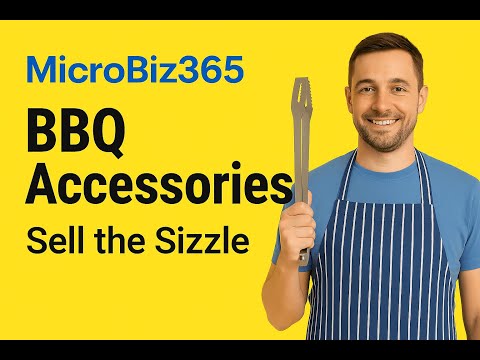
The video walks through finding materials, pricing against premium names and testing at one-day events. Watch the full video on YouTube for the full walkthrough.
Key Takeaways
- One-day table fee at a local show: £25–£45
- Cedar blanks from a timber yard in Avonmouth: £18 for 12 pieces
- Branded cotton covers bought in packs of 20: £3.20 each landed
- Typical selling price at events: £12–£22
- Big Green Egg UK owners often pay more for matching accessories
- Repeat orders came from three garden centres within six weeks
Startup Costs in the UK
You can reach your first paying customer for under £300.
| Item | Approx. Cost (UK) | Notes |
|---|---|---|
| Timber or fabric blanks | £45 | Local yard or online trade |
| Branding stamps and tags | £28 | One-off from Etsy maker |
| Market table fee x2 | £70 | Weekend food fairs near home |
| Simple A-frame sign | £22 | Printed at a high-street copy shop |
| Public liability insurance | £85 | Annual policy via comparison site |
| Card reader and packaging | £30 | SumUp and jute bags |
Total roughly £280 before any sales.
Tools & Equipment Needed
- Basic hand tools for shaping wood or fabric
- Heat stamp or labels
- Folding table and weather cover
- Card payment terminal
- Simple product photos on a phone
How to Start
- Visit one local show this month and note what sells and at what price.
- Source small quantities from a timber merchant or fabric wholesaler within 50 miles.
- Make ten samples and test them on your own grill for two weekends.
- Register as self-employed with HMRC online before the first cash sale.
- Book a table at a farmers market or food festival in your postcode area.
- Print simple business cards with your phone number and a photo of the item.
- Ask three nearby garden centres if they would take a small consignment.
Earnings & Scaling
At weekend events a realistic day can bring £150–£350 after costs once you have five steady products. Scaling usually means adding two more markets or securing three garden-centre accounts rather than chasing online volume.
Pros, Cons and Risks
Pros:
- Low material cost and quick production time
- Face-to-face feedback at every sale
- Easy to test new designs each season
Cons:
- Weather can cancel outdoor events
- Carrying stock to multiple venues each weekend
- Competition from imported sets on market stalls
Risks:
- Product liability if a handle fails in use
- Stock left over after a poor summer
- Changing food-safety rules on wooden utensils
UK-Specific Tips
- Check the latest GOV.UK guidance on selling wooden food-contact items
- Use local Facebook groups such as “Bristol BBQ Owners” for first customers
- Keep receipts for every timber or fabric purchase for HMRC records
- Offer to match Big Green Egg UK colours on covers for easy upsells
FAQ
Do I need a website straight away?
No. Most early sales happen at markets and through local garden centres.
How do I price against Big Green Egg UK accessories?
Position your items as lower-cost alternatives; their fans still buy if the finish feels solid.
What happens if it rains on market day?
Have a backup indoor craft fair booked or use the time to make more stock.
Can I sell at National Trust events?
Some allow traders; apply early and expect a higher pitch fee than regular markets.
Is insurance really necessary?
Most councils and garden centres now ask for proof before you set up a table.
Conclusion
Start with one product, one market and a clear price. When the first batch sells, decide whether to add more designs or approach local retailers. browse more ideas on MicroBiz365.